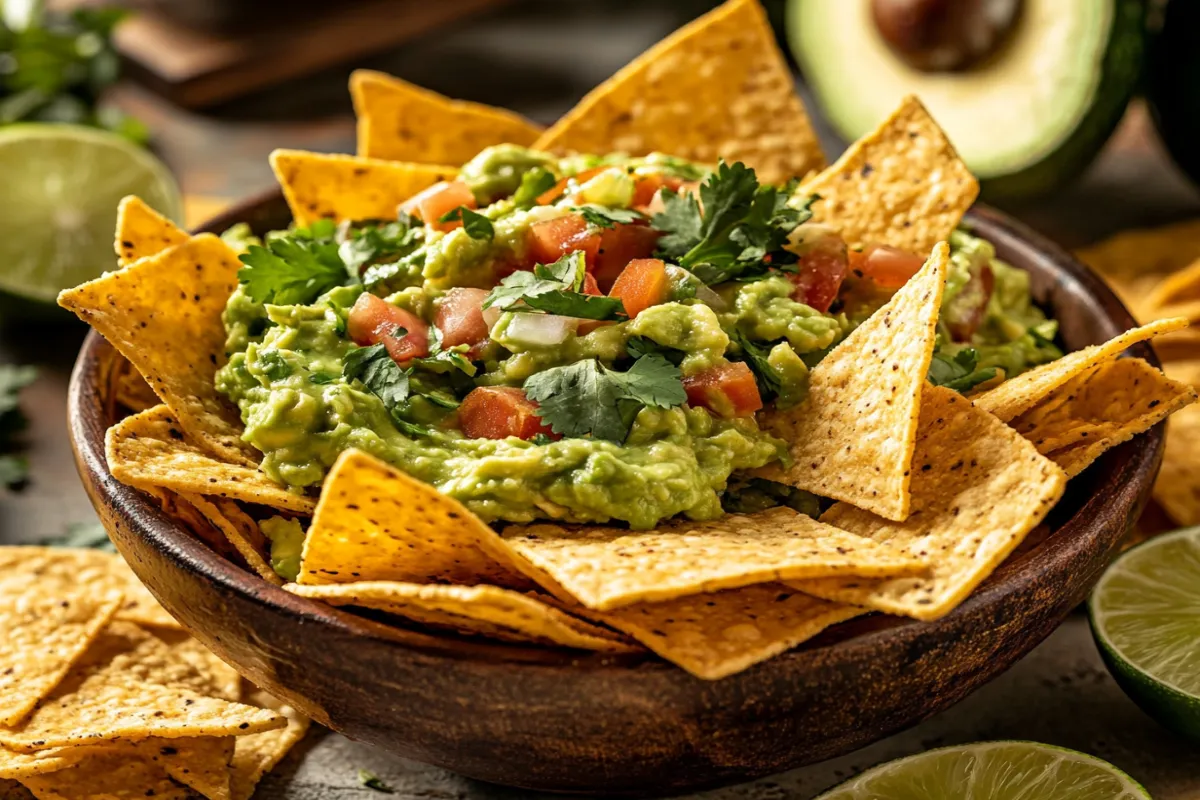
The Allure of Authentic Guacamole: Unlocking Fresh & Flavorful Secrets
There are few culinary delights as universally loved and instantly satisfying as a perfectly crafted bowl of guacamole. More than just a simple dip, it’s a vibrant symphony of flavors and textures that transforms any gathering into a fiesta. While many believe the best guacamole is a complex endeavor reserved for restaurant chefs, the truth is delightfully simple: it all hinges on high-quality ingredients and a thoughtful approach.
From lively backyard BBQs to quiet weeknight cravings, fresh guacamole holds a special place in our hearts. Its creamy, rich texture paired with bright, zesty notes makes it an undeniable crowd-pleaser. The secret to achieving that coveted, restaurant-quality taste right in your own kitchen isn't about a dozen obscure ingredients or fancy techniques; it's about honoring the natural deliciousness of a select few, allowing them to shine in perfect harmony. In this article, we'll dive deep into the essential elements and techniques that will empower you to create the best guacamole every single time.
A Journey Through Time: The Humble Origins of Guacamole
To truly appreciate guacamole, it helps to understand its rich heritage. The earliest known accounts of this verdant spread trace back to the mighty Aztec Empire in 16th-century Mexico. Here, avocados, native to the region, were revered and mashed with indigenous ingredients like tomatoes, salt, and chiles, often in a traditional molcajete (a mortar made from volcanic rock). Over centuries, as culinary traditions evolved and spread, other fresh additions like lime juice, onions, and cilantro found their way into the mix, refining the dip into the beloved form we know today.
Today, guacamole has transcended its origins to become a global phenomenon. It’s the quintessential tailgate snack, the perfect accompaniment to authentic Mexican dishes like tacos, burritos, and flautas, and a staple at Cinco de Mayo celebrations. But its versatility extends far beyond the traditional chip-and-dip scenario. Imagine spreading it on toast for a luxurious breakfast, dolloping it atop juicy burgers, or incorporating it into a vibrant salad. The possibilities are truly endless, inviting you to explore its potential in myriad culinary applications. For even more creative ideas beyond the traditional, delve into Guacamole Beyond the Bowl: Restaurant Taste & Versatile Uses.
The Core Elements: Sourcing Superior Guacamole Ingredients
The foundation of the best guacamole is, without a doubt, the quality and freshness of its components. Think of it as a culinary equation where each ingredient adds a crucial variable. Compromise on one, and the entire balance can be thrown off. Here's a breakdown of the essential players and how to choose them wisely:
- Avocados: The Creamy Canvas
- Selection: Look for ripe avocados with dark, almost black skin. The flesh should yield slightly when gently pressed, but never feel mushy or overly soft. A good trick is to check under the tiny stem cap; if it's green, the avocado is likely perfect. If it's brown, it might be overripe.
- Preparation: Learning how to cut an avocado and easily remove the large pit and skin is key. A sharp knife to cut around the pit, a twist to separate the halves, and a spoon to scoop out the flesh are all you need.
- Lime Juice: The Brightening Zest
- Fresh vs. Bottled: This is non-negotiable for the best guacamole. Put down the bottled lime juice and grab a fresh whole lime (or two!). Fresh citrus juice delivers a vibrant, crisp acidity that bottled versions simply cannot replicate. It balances the richness of the avocado and prevents browning.
- Tip: Roll the lime firmly on your countertop before cutting and juicing to maximize the yield.
- Onion: The Pungent Kick or Mild Subtlety
- Red Onion: Often preferred for its striking color contrast and a sharper, more pungent flavor.
- White or Yellow Onion: Offers a milder character if you prefer less assertiveness.
- Preparation: Finely diced onion is crucial for even distribution of flavor and texture. For an even milder taste, you can rinse the diced onion in cold water for a few minutes before adding.
- Cilantro: The Herbaceous Freshness
- Vibrant Herb: This aromatic herb adds an unmistakable layer of freshness and bright, peppery notes to guacamole.
- Substitution: If you're among the unlucky few with the genetic variant that makes cilantro taste like soap, fear not! Fresh parsley can be a good substitute, offering a similar green hue and herbaceous lift, albeit with a different flavor profile.
- Jalapeño: The Hint of Heat
- Flavor Enhancer: A touch of finely minced jalapeño provides a subtle warmth that beautifully elevates the other flavors without overpowering them.
- Heat Control: For less heat, remove the seeds and white membranes (pith) before mincing. For more spice, leave some seeds in or opt for a spicier serrano pepper. Always handle chiles with care, and wash your hands thoroughly afterward!
- Garlic: The Aromatic Foundation
- Fresh is Best: Like lime juice, fresh garlic is paramount. Minced or pressed, it offers a depth of flavor that dried garlic powder simply can't match, which can sometimes introduce a chalky or gritty texture.
- Ratio: Typically, one small clove of fresh garlic is enough for a standard batch of guacamole made with 2-3 avocados.
- Salt: The Flavor Awakener
- Crucial Element: Salt is the magic ingredient that brings all the individual flavors to life. It doesn't just make the guacamole "salty"; it enhances and harmonizes every other component.
- Type: Kosher salt or fine sea salt are excellent choices.
- Taste and Adjust: Always add salt incrementally, tasting as you go. You can always add more, but you can't take it away!
Mastering the Mash & Mix: Crafting Perfect Texture and Balance
Beyond selecting stellar ingredients, the way you combine them is pivotal to achieving the best guacamole. It's an art of balance, texture, and gentle handling.
Achieving Your Ideal Texture
The first step is mashing your ripe avocados. This is where personal preference comes into play. Do you prefer a super smooth and creamy consistency, or do you enjoy chunks of avocado in every bite?
- For Chunky Guacamole: Use a fork or a potato masher, leaving some larger pieces intact.
- For Creamier Guacamole: Mash more vigorously with a fork, or even use a traditional molcajete for an authentic, slightly coarse yet creamy result. Avoid a food processor, which can over-process and make the guacamole too watery or gummy.
Balancing Flavors: The Art of Seasoning
This is where your palate becomes your most valuable tool. After combining your core ingredients:
- Start with Lime: Squeeze in the fresh lime juice. This not only brightens the flavors but also acts as a natural antioxidant, helping to slow down the dreaded browning.
- Add Salt Gradually: Sprinkle in about half of your desired salt amount, mix, and then taste. Add more salt, a pinch at a time, until the flavors truly pop.
- Adjust Heat: Taste again. If you prefer more spice, add a bit more minced jalapeño or a dash of your favorite hot sauce.
- Final Touches: Some prefer a tiny pinch of cumin for an earthy depth, though purists often stick to the basics.
Remember, the goal is balance. No single ingredient should dominate, but all should contribute to a harmonious whole. For more detailed insights on mastering techniques and fine-tuning your recipe, be sure to check out our guide on Master the Best Guacamole: Easy & Authentic Recipe Tips.
Keeping it Fresh: Preventing Browning
Guacamole's worst enemy is oxygen, which causes it to oxidize and turn an unappetizing brown. While it's still safe to eat, it's not as visually appealing. Here are a few tried-and-true methods to keep your guacamole vibrant green:
- Lime Juice Barrier: The acidity of lime juice is your first line of defense. Don't skimp on it!
- Airtight Seal: The most effective method is to press plastic wrap directly onto the surface of the guacamole, ensuring no air pockets remain.
- Water or Lime Juice Layer: For longer storage, you can pour a thin layer of water (or lime juice) over the top of the guacamole before covering it tightly with plastic wrap pressed directly to the surface. When ready to serve, simply pour off the liquid.
Store your guacamole in an airtight container in the refrigerator. While it's best enjoyed fresh, these methods can help preserve its color for up to a day.
Elevate Your Guacamole Experience: Tips & Serving Suggestions
Making the best guacamole is just the beginning. How you serve and enjoy it can elevate the entire experience.
- Serve Immediately: Guacamole is at its peak freshness and flavor within an hour or two of preparation.
- Perfect Pairing: While tortilla chips are the classic companion, consider serving it with crunchy vegetable sticks (carrots, celery, bell peppers), warm pita bread, or even plantain chips for a twist.
- Creative Additions:
- For extra richness, a tiny splash of olive oil can work wonders.
- A sprinkle of flaky sea salt just before serving adds textural interest and a burst of flavor.
- Some home cooks love to add diced tomatoes (seeds removed to prevent watering down) for a burst of color and juiciness, as suggested by many traditional recipes. If you do, consider Roma tomatoes for less moisture.
- Beyond the Bowl: Don't limit guacamole to just dipping. Spread it generously on sandwiches and wraps, dollop it on eggs or grilled fish, use it as a vibrant base for a layered dip, or stir it into a creamy salad dressing.
The Ultimate Secret to Guacamole Success
The journey to creating the best guacamole is ultimately a simple one, built on fresh, high-quality ingredients and mindful preparation. It's about respecting the avocado, balancing flavors with precision, and enjoying the process. Whether you prefer a chunky texture or a smoother spread, a fiery kick or a mellow zing, the power to create truly exceptional guacamole lies in your hands. So grab those ripe avocados, fresh limes, and vibrant herbs, and get ready to enjoy a dip that will delight your senses and impress your guests every single time. Happy mashing!
